 Studio Off Hours
Tactile Design: The Role of Touch in Creative Work
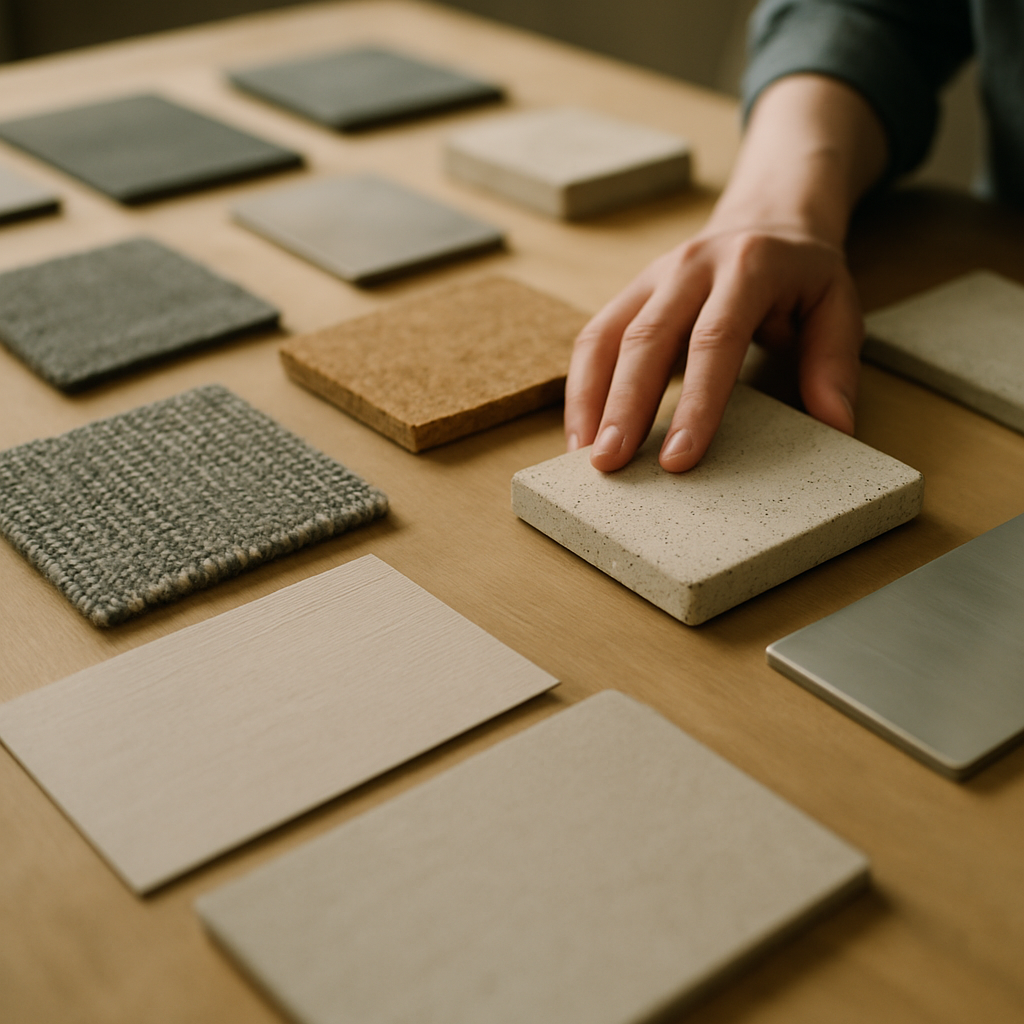
The resurgence of tactile design in creative practices reflects a growing recognition of the power of touch. In an era dominated by digital interfaces, the tactile element of creativity offers a refreshing counterbalance. Artists, designers, and makers are increasingly incorporating tangible elements into their work, creating pieces that engage more than just the visual senses. This movement is not merely about the physical sensation but about embedding emotion, authenticity, and a sense of presence into creative projects. As maker culture thrives, the role of touch becomes central to understanding materials, techniques, and the human experience itself. It is a dialogue between the creator and their creation, rooted in the physical world.
Embracing Materiality
In the world of design and art, materials hold more than just physical properties; they embody stories, histories, and possibilities. The tactile nature of materials such as clay, wood, metal, and textiles invites the creator to engage with them in a profoundly personal way. Companies like Herman Miller, known for their iconic furniture designs, emphasize the importance of materiality in their work. Their choice of materials is not only about aesthetics but also about the sensory experience they offer to the user. Similarly, the tactile nature of handcrafted pottery explored by makers at places like the Leach Pottery in Cornwall, UK, underscores the importance of touch in understanding the medium. The nuances of texture, weight, and temperature are all integral in shaping the final piece.
By focusing on the tactile elements, designers are rediscovering the emotional connections that materials can foster. Touch becomes an active participant in the creative process, influencing decisions and outcomes. This tactile engagement encourages a deeper understanding of the material's properties and how they interact with the world. The result is a creation that is not just seen but felt, inviting users to appreciate the handiwork that underlies the design. It is through this intimate interaction with materials that designers can convey authenticity and craftsmanship, qualities that are increasingly valued in our digitally-dominated world.
The Neuroscience of Touch
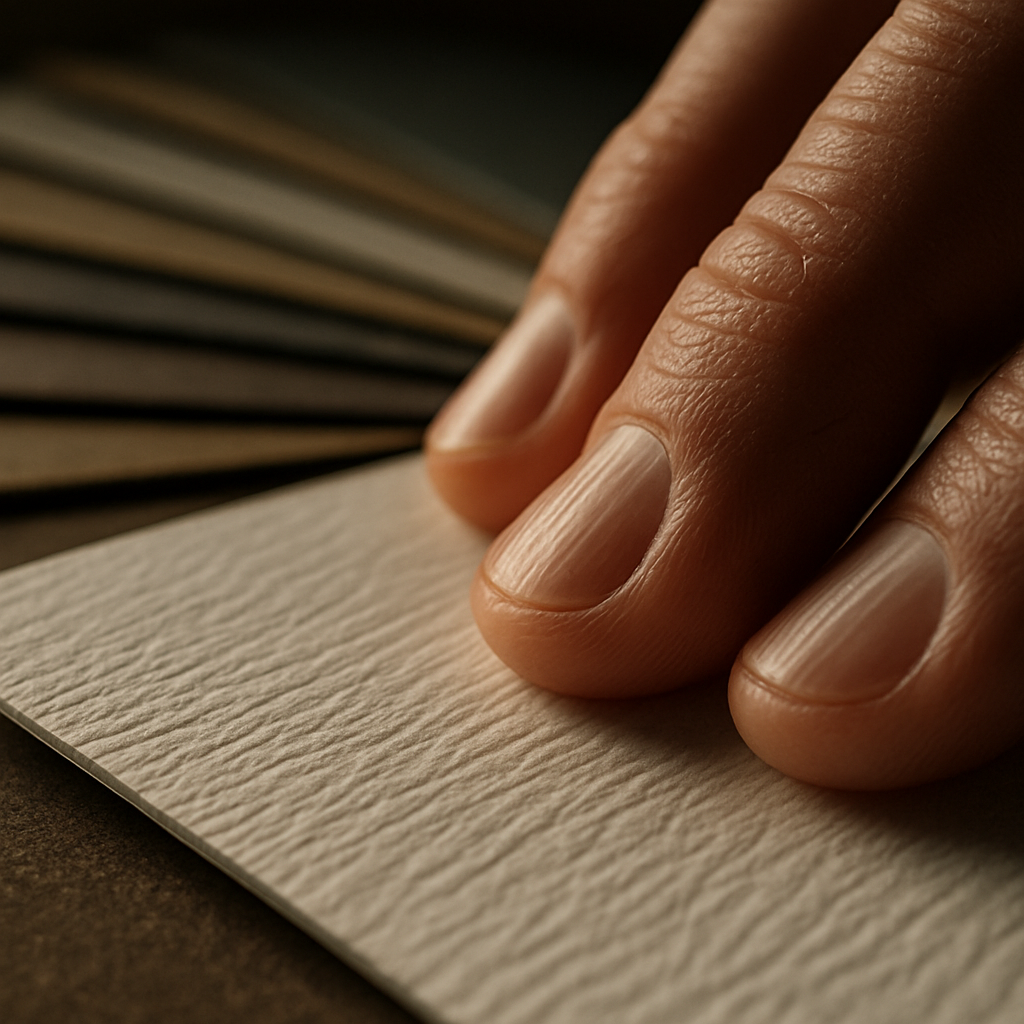
The relationship between touch and creativity is deeply rooted in our neurological makeup. Studies have shown that tactile experiences can stimulate areas of the brain associated with creativity and problem-solving. The act of manipulating materials with one's hands engages the brain in ways that purely visual or auditory stimuli do not. This engagement can lead to increased creativity and innovation, as the tactile feedback loop allows for constant reassessment and adaptation during the creative process.
Renowned neurologist Oliver Sacks highlighted that our sense of touch is inextricably linked to our cognitive processes. Touch provides the brain with constant feedback, refining motor skills and enhancing our understanding of spatial relationships. This feedback is crucial for artists and makers who rely on physical manipulation to bring their visions to life. Companies like LEGO have harnessed this connection by creating products that stimulate tactile learning and creativity, especially in educational contexts.
The tactile element of design is not just about the sensation in the hands; it's about engaging the brain in a multi-sensory dialogue that enriches the creative experience. This embodies the core philosophy of tactile design—utilizing touch to foster a deeper understanding and appreciation of the creative process. By embracing the neuroscience of touch, creators can tap into their innate potential for innovation and expression.
Touch in Technology
As technology continues to evolve, the integration of touch into digital experiences is becoming increasingly prevalent. Touchscreens, haptic feedback, and virtual reality are all examples of how technology is attempting to bridge the gap between the digital and physical worlds. Companies like Apple have been at the forefront of this movement, incorporating haptic feedback into their devices to simulate the sensation of pressing a physical button. This tactile simulation helps users feel more connected to their devices, enhancing the overall user experience.
Virtual reality (VR) has taken this a step further, with companies such as Oculus and HTC Vive developing systems that incorporate touch into their immersive environments. Through the use of haptic gloves and controllers, users can interact with virtual objects as if they were real, adding a new dimension to gaming, design, and education. This tactile immersion is vital for achieving a sense of presence within a virtual space, making the experience more engaging and realistic.
The role of touch in technology underscores its significance across various domains of creativity. As digital interfaces become more sophisticated, the integration of tactile feedback allows creators to craft experiences that resonate on a sensory level. This convergence of touch and technology not only enhances usability but also broadens the horizons for innovation and exploration in the digital realm.
Maker Culture and Hands-On Creativity
Maker culture celebrates the hands-on approach to creativity, where touch is an essential component of the making process. This culture is characterized by a do-it-yourself ethos that encourages experimentation, learning, and the sharing of skills. Platforms like Etsy and Maker Faire have become hubs for this movement, connecting creators and fostering a community that values the tactile experience of making.
In maker culture, touch is more than just a means to an end; it is a fundamental aspect of the creative journey. The act of building, sewing, or crafting allows makers to engage directly with their materials, fostering a deeper connection and understanding. This tactile engagement is evident in the rise of workshops and makerspaces, where individuals can share resources and collaborate on projects that require physical interaction and manipulation.
The tactile nature of maker culture challenges the notion that digital is superior to physical. By emphasizing the importance of touch, makers are reclaiming the value of craftsmanship and the satisfaction of creating something tangible. This hands-on approach encourages creativity and innovation, as it allows individuals to experiment freely and learn through doing. In a world where digital creations dominate, maker culture serves as a reminder of the irreplaceable value of touch in the creative process.
Future Implications
The emphasis on tactile design and touch in creative practices has far-reaching implications for the future of design, art, and technology. As the boundaries between the digital and physical worlds continue to blur, the integration of touch into these spheres becomes increasingly important. This trend signals a shift towards more holistic and immersive experiences, where the sensory dimensions of touch are recognized as crucial components.
In design and architecture, this could lead to the development of more interactive and responsive environments that adapt to the needs of their inhabitants. In education, tactile tools and techniques could revolutionize how subjects are taught, making learning more engaging and accessible. The potential of tactile design in therapy and rehabilitation is immense, offering new ways to help individuals regain motor skills and improve cognitive functions through touch-based interventions.
As we look to the future, the role of touch in creative work will undoubtedly continue to evolve. The challenges and opportunities presented by this evolution will shape how we interact with the world and each other. By embracing the tactile, creators and innovators can develop new pathways for expression, collaboration, and empathy. Touch, in its many forms, will remain an integral part of the narrative of creativity, providing a bridge between the tangible and intangible realms.