 Studio Off Hours
Soundscapes and Creativity: Crafting the Perfect Audio Environment
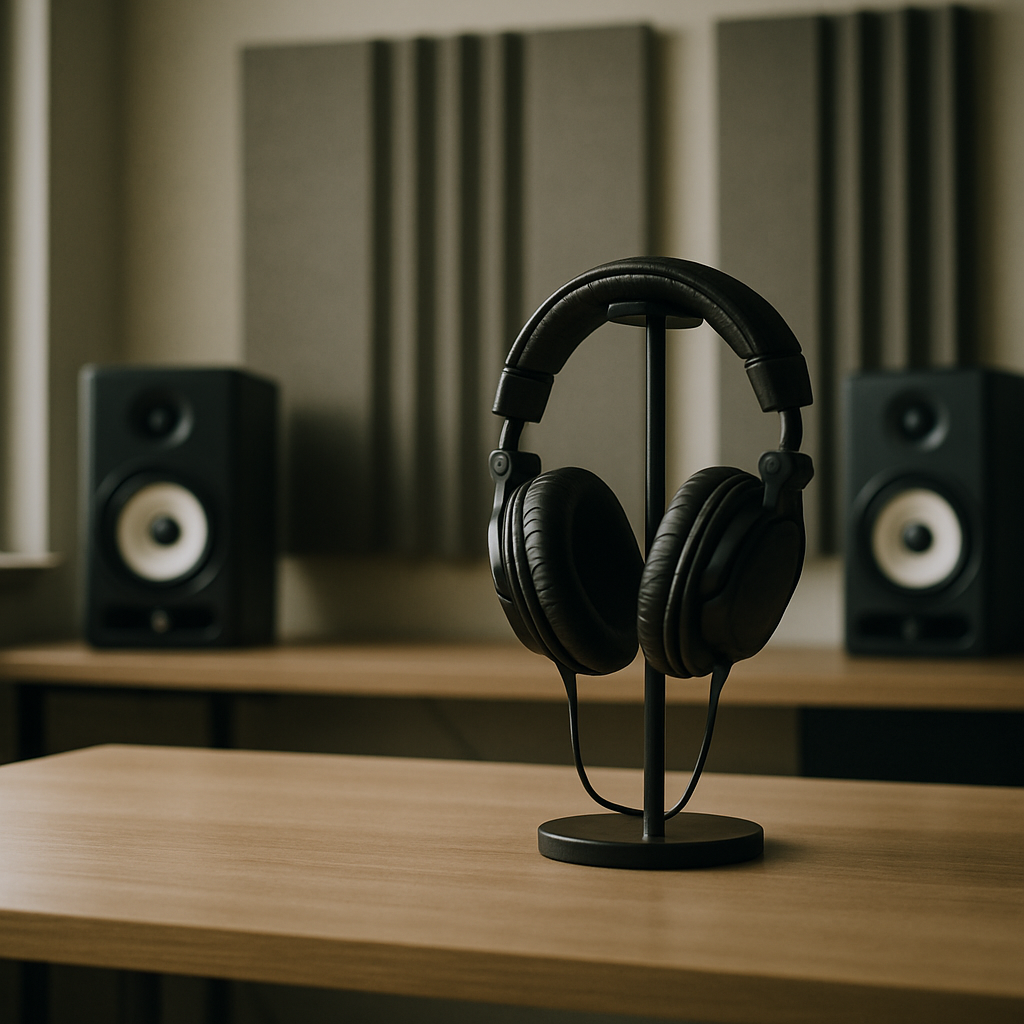
The intersection of sound and creativity is an intriguing field. From the bustling energy of a shared makerspace to the serene solitude of a personal studio, the auditory environment plays a crucial role in shaping creative output. Soundscapes—tailored audio environments—can significantly impact focus, inspiration, and productivity. While some creatives thrive in silence, others find their muse in the rhythm of music or the ambient noises of nature. Understanding the science and art behind soundscapes can empower artists, designers, and makers to harness the auditory elements that best support their creativity. By exploring various soundscapes, individuals can discover optimal conditions for their creative practices, unlocking new levels of innovation and productivity.
The Science of Sound and Creativity
Research has consistently shown that sound can profoundly affect our cognitive functions. Studies conducted by institutions like the University of Illinois found that certain types of noise can enhance creative performance. Moderate ambient noise, roughly around 70 decibels, has been linked to increased creativity. This sound level, equivalent to the background noise in a café, provides enough distraction to encourage abstract processing. Abstract thinking is often synonymous with creativity, allowing individuals to form unexpected connections and novel ideas.
The psychological principle behind this is known as 'stochastic resonance,' which suggests that a certain level of background noise facilitates cognitive function by slightly disrupting the thought process. This disruption helps prevent the brain from becoming too fixated on any one idea, allowing for a more fluid and creative thought process. Conversely, too much noise, like that found in bustling urban environments exceeding 85 decibels, can overwhelm the senses and lead to decreased concentration and productivity.
In practical terms, understanding the specific auditory needs of your creative process is essential. Some may prefer the gentle hum of a busy coffee shop or the structured chaos of a collaborative studio space. Others might find that white noise or sounds from apps like Noisli create the perfect backdrop. By experimenting with various sound environments, creatives can determine what works best for them, ultimately enhancing their ability to produce innovative work.
Designing Your Optimal Soundscape
Creating an ideal auditory environment starts with acknowledging personal preferences and the nature of the task at hand. For instance, a graphic designer working on intricate details may require a different soundscape compared to a writer engaged in brainstorming. Companies like Bose and Sony offer noise-cancelling headphones that can help tailor the auditory experience, blocking out unwanted external noise while allowing the selected soundscape to take center stage.
For those working from home, devices such as Amazon Echo or Google Nest can be instrumental in curating an auditory backdrop. These smart speakers can stream playlists, ambient noise, or even podcasts, offering flexibility in designing personalized soundscapes. Online platforms like Spotify and Apple Music provide curated playlists across various genres and moods that can seamlessly fit into a creative routine.
Acoustics also play a fundamental role. The physical setup of a space can either reflect or absorb sound, influencing how audible environments are perceived. Adding elements like rugs, curtains, and upholstered furniture can dramatically alter the sound quality in a room. High ceilings and hard surfaces tend to create echoes, which may be stimulating or distracting depending on one's preference. By understanding and controlling these elements, creatives can significantly improve their work environment.
Soundscapes in Collaborative Spaces
In shared working environments, the challenge lies in balancing multiple auditory preferences. Coworking spaces such as WeWork or The Wing often implement community sound policies to foster productive atmospheres. They may designate specific zones within their facilities for quiet work, casual conversations, or collaborative brainstorming, each with distinct soundscapes.
Flexible furniture arrangements in these spaces can help partition auditory zones. Acoustic panels and furniture like phone booths or soundproof pods offer personal audio space amid a bustling community. Such setups allow individuals or small groups to retreat into quieter corners when deep focus is needed, without entirely isolating themselves from the communal, inspiring energy of the shared space.
Moreover, digital tools such as Slack and Trello can help coordinate and develop workflows that respect individual soundscape needs. For instance, using these platforms to schedule meetings or collaborative sessions during times when the sound environment is intentionally lively can make focused work more achievable at other times. By leveraging thoughtful design and communication strategies, creators can thrive in collaborative spaces without compromising their auditory preferences.
The Role of Technology in Soundscaping
Technology has revolutionized how we interact with sound and music, offering unprecedented control over our auditory environments. With the rise of artificial intelligence, platforms like Endel and Brain.fm are crafting soundscapes tailored to specific cognitive states. These apps use algorithms to generate adaptive sound environments designed to enhance focus, relaxation, or creativity, responding dynamically to the user's current activity or mood.
Virtual reality (VR) also presents exciting possibilities for personalized soundscaping. VR platforms like Oculus now offer experiences that integrate immersive auditory environments, transporting users to calming beaches or bustling cityscapes. Such technology enables users to break free from their physical surroundings and explore new auditory landscapes that could inspire fresh perspectives and ideas.
The increasing sophistication of wearable tech, such as Apple's AirPods Pro or Sony's WF-1000XM4, allows users to easily transition between different auditory settings throughout their day. These devices can adapt to environmental changes using active noise cancellation and ambient sound modes, ensuring that users maintain control over what they hear and when they hear it.
Embracing Silence as a Creative Tool
While curated soundscapes can enhance creativity, embracing silence can be just as powerful. Silence offers a blank canvas for ideas, providing a mental pause that allows for deep reflection and introspection. In an increasingly noisy world, finding moments of quiet can be essential for cultivating a creative mindset.
Meditation and mindfulness practices emphasize the importance of silence in achieving mental clarity. Creative practices that incorporate silent reflection, such as journaling or sketching, can lead to breakthroughs by allowing thoughts to settle and ideas to percolate. Many artists and writers, including Virginia Woolf and John Cage, have advocated for intentional silence as a means of accessing deeper layers of creativity.
Silence can also sharpen auditory perception, making it a valuable tool for musicians and sound designers who rely on acute listening skills. By periodically stepping away from the noise, creators can recalibrate their senses, ensuring that when they do return to their soundscapes, they do so with renewed focus and sensitivity. Whether through meditative retreats or simple daily practices, integrating silence into one's creative routine can open new pathways for innovation and introspection.