 Studio Off Hours
Colour from the Kitchen: A Beginner's Guide to Natural Dyeing at Home
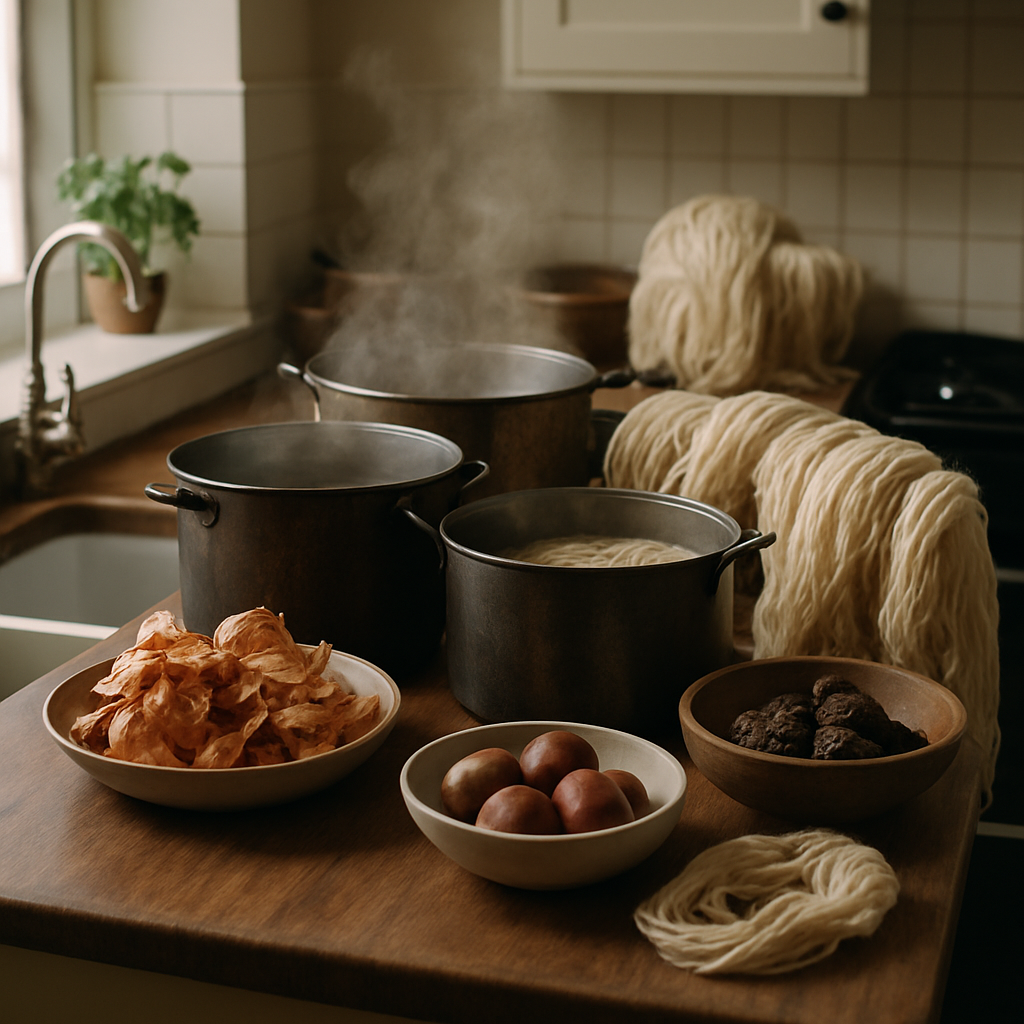
Long before colour came in tubes and cartridges, it came from plants — and the knowledge of coaxing it out was ordinary household skill. Onion skins gave gold, avocado stones gave dusty pink, walnut hulls gave deep brown. That old knowledge is enjoying a lively revival among makers, and for good reason: natural dyeing is inexpensive, endlessly surprising, and turns kitchen waste into some of the most beautiful colour you will ever put on cloth. If you own a large pot and can simmer soup, you already have most of the required skills.
Why Dyers Fall for Natural Colour
Ask natural dyers what hooked them and they rarely mention sustainability first, though that is real. They mention the quality of the colour. Plant dyes produce shades with a depth and softness that synthetic colour struggles to match — nothing garish, everything harmonious. Because the colours all come from the same botanical world, almost any two naturally dyed fabrics look good together, a property quilters and weavers treasure.
Then there is the surprise. Natural dyeing is only partly controllable: the same avocado stones give different pinks depending on the water, the pot, the season and the fabric. Every dye bath is an experiment, and lifting dripping cloth from the pot never stops feeling like a small reveal. For makers tired of predictable, on-demand everything, that element of collaboration with the material is the whole charm.
The Kit and the Golden Rules
Your starter equipment is modest, with one non-negotiable rule attached:
- A large stainless steel pot — dedicated to dyeing only, never returned to cooking duty. Charity shops are full of them.
- Tongs, a wooden spoon, rubber gloves and a sieve, also dedicated.
- A kitchen scale for weighing fibre and dyestuff.
- Fabric or yarn made of natural fibre. This is the second rule: natural dyes bond with natural fibres. Cotton, linen, hemp, wool and silk take colour; polyester ignores it almost entirely. Animal fibres (wool, silk) generally take colour more eagerly than plant fibres.
Old white cotton pillowcases, thrifted linen shirts and undyed wool skeins make perfect first victims. Wash everything thoroughly first — a step called scouring — because invisible finishes and oils block dye.
Mordants: The Unglamorous Secret to Colour That Lasts
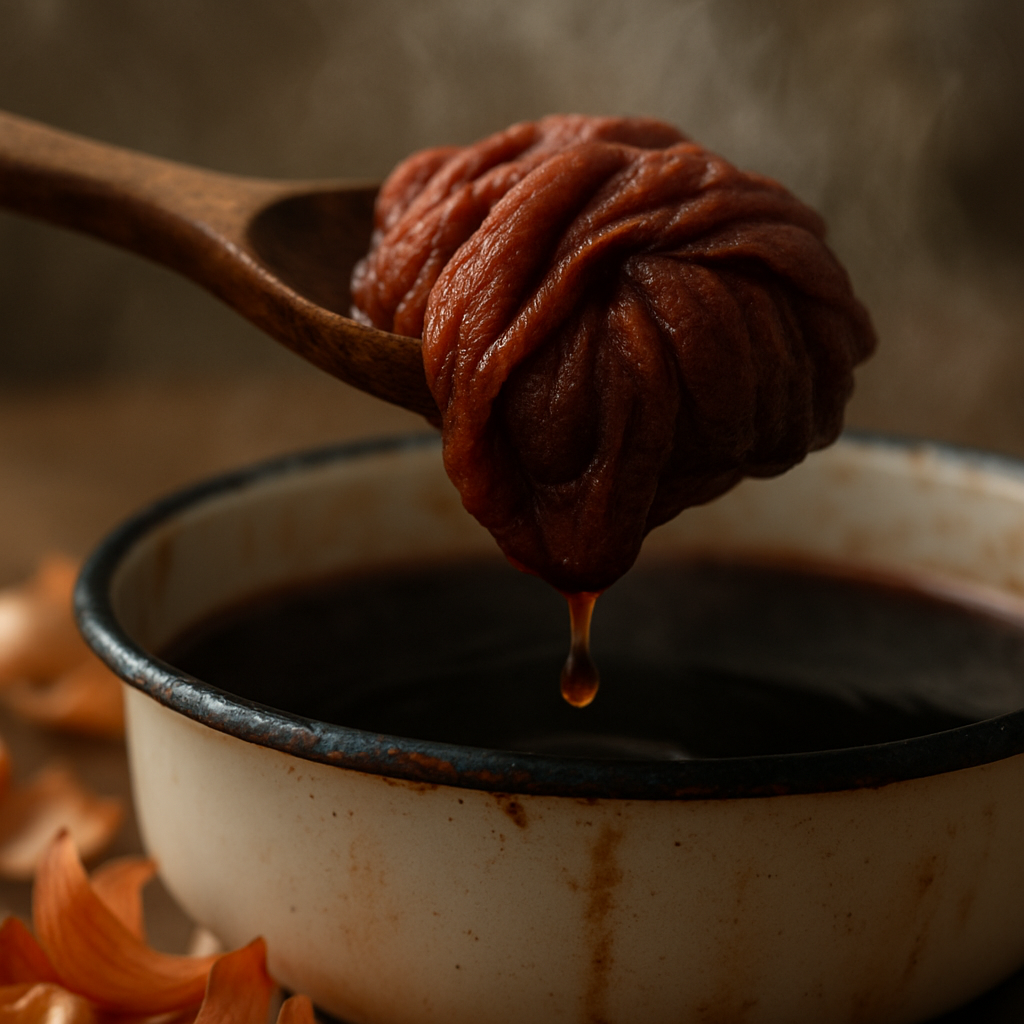
Here is where beginners either succeed or produce lovely colours that wash out by autumn. Most plant dyes need a mordant — a mineral bridge that binds dye to fibre. Skip it and you are staining, not dyeing.
The standard beginner mordant is alum (potassium aluminium sulphate), inexpensive, widely available and among the safest options. The routine: dissolve roughly 10–15% of your fibre's dry weight in alum in warm water, simmer the fibre gently in it for about an hour, then proceed to the dye bath. Wool prefers gentle temperature changes — shock it and it felts.
A few dyestuffs are generous exceptions. Onion skins and avocado contain enough tannin or dye compound to perform respectably without mordanting, which is exactly why they make ideal first projects. But make mordanting a habit early; it is the difference between a craft and a disappointment.
Label and store mordants safely away from children and cooking supplies, and work in a ventilated space. Sensible kitchen chemistry, nothing more.
First Dye Baths: Three Reliable Recipes
Onion-skin gold. Save the papery skins from a few weeks of cooking (or charm a greengrocer). Simmer a generous handful per 100 g of fibre in water for an hour, strain, add your wet mordanted fabric, and simmer gently for another hour. Expect glowing golds and ambers — the most reliable wow-result in natural dyeing.
Avocado blush. Clean stones and skins from four to six avocados, simmered low and slow, yield a bath that dyes cotton and silk a soft antique pink. Patience improves it; many dyers leave fibre steeping overnight after the simmer.
Black tea and coffee. Strong brews give warm ecru and tan shades, rich in tannin, and are perfect for aging fabric for craft projects.
Once hooked, explore madder root for true reds, weld for brilliant yellow and indigo for blues — the historical heavyweights, all available from specialist suppliers. Keep a dye journal recording fibre, weights, times and results; it will become one of your most valuable studio documents.
Small Pots, Deep Craft
Natural dyeing scales beautifully with curiosity. A first onion-skin experiment leads to mordant comparisons, then to modifiers — a splash of iron water shifts colours moody and dark, citric acid brightens them — then perhaps to growing a small dye garden of marigolds and coreopsis on a balcony.
But it starts in one evening, with one pot, one pillowcase and the kitchen scraps you were about to throw away. Few crafts offer such a generous ratio of wonder to cost. Save your onion skins this week; by Sunday you could be hanging gold on the washing line.