 Studio Off Hours
Interactive Art Installations: Engaging Audiences Through Participation
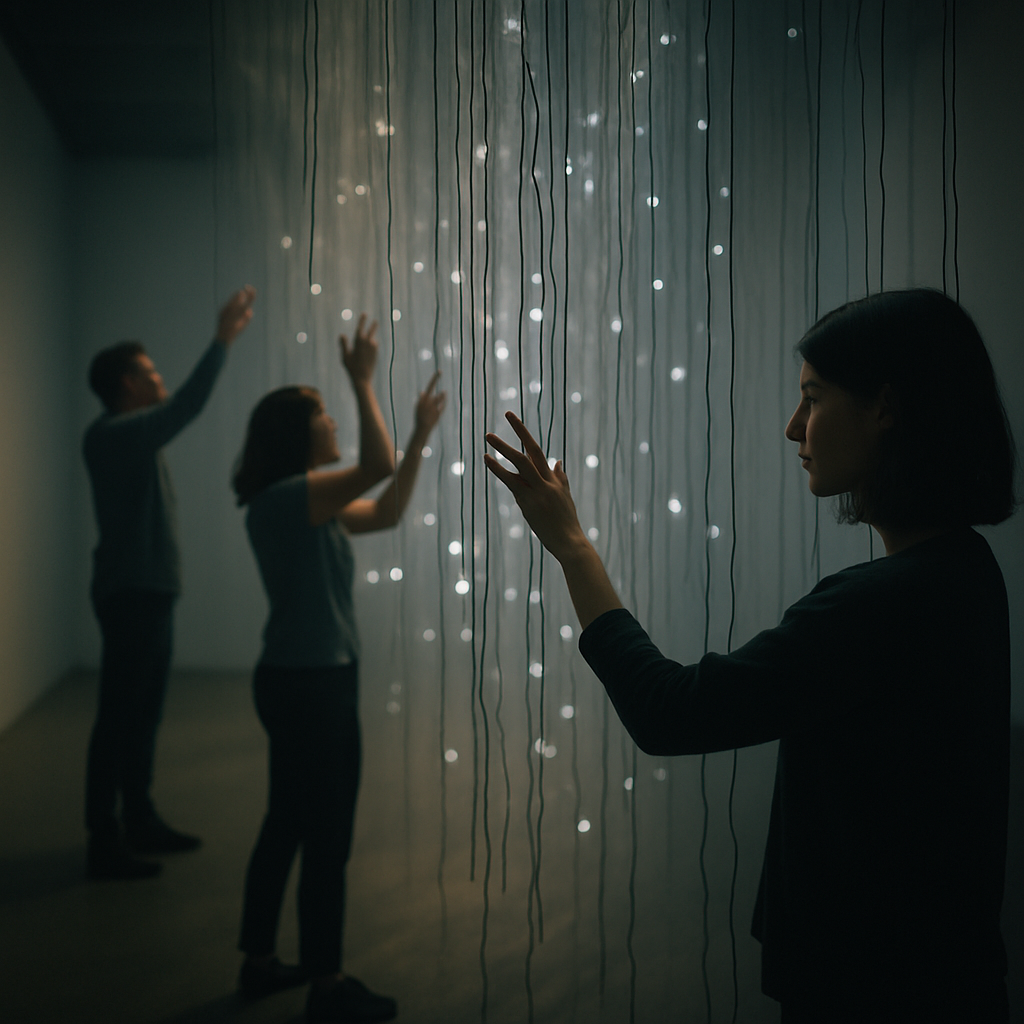
In the world of contemporary art, the boundaries between creator and observer are increasingly blurring. Interactive art installations are at the forefront of this movement, inviting audiences to become co-creators rather than passive viewers. These installations leverage technology and innovative design to create immersive environments that engage participants on multiple sensory levels. From large-scale public installations to museum exhibits, interactive art requires audiences' physical or digital participation, transforming the experience from one of observation to one of interaction and collaboration. This shift is not just an artistic gimmick but a meaningful evolution in how art is perceived and experienced, bringing a new dimension to creative practices and the maker culture.
A Shift in Creative Dynamics
The transformation in artistic experiences is largely attributed to the changing dynamics between artists and audiences. Traditionally, art has been a one-way dialogue, where artists communicate their vision, and audiences receive it. However, with interactive art installations, this dynamic shifts to a conversation. Artists create frameworks within which participants can explore and express their interpretations. This approach democratizes art, allowing for personal expression within the confines of the artist's vision.
Artists like Yayoi Kusama and Olafur Eliasson exemplify this shift with installations that invite viewers into the artwork itself. Kusama's "Infinity Mirror Rooms" envelop visitors in a dazzling spatial experience, while Eliasson's "The Weather Project" at Tate Modern encouraged public interaction through its vast, immersive environment. Such installations emphasize the viewer's role as a co-creator, engaging with the art on an individual level and contributing to the collective experience.
The role of technology cannot be understated in this shift. Interactive art frequently incorporates digital interfaces and sensors that respond to human interaction. These technologies enable artworks to evolve in real-time, reflecting the participants' actions and inputs. This responsive nature challenges participants to think critically about their own role within the art, making each encounter unique. The result is art that is not only seen but also felt, encouraging deeper engagement.
The Role of Technology
The integration of technology in art has propelled the development of interactive installations, making them more dynamic and engaging. Digital art collectives like teamLab and Random International have been pioneers in employing cutting-edge technology to create immersive experiences. teamLab's work, such as the "Borderless" museum in Tokyo, uses projections and sensors to create rooms where digital art interacts with people and the space around them. This results in a limitless and ever-evolving experience as the art reacts and changes with the presence and movements of visitors.
Another example is Random International's "Rain Room," which allows participants to walk through a field of falling water without getting wet. This is achieved by using 3D tracking cameras that detect an individual's movement to pause the rain around them. Such installations not only captivate the senses but also provoke thought and challenge perceptions of art and technology's role in our lives.
These technological advancements also encourage collaboration across disciplines. Artists are now working alongside programmers, engineers, and designers to bring these installations to life. The cross-pollination of ideas from different fields fosters innovation, creating more sophisticated and impactful installations. This intersection of art and technology enriches the art world, expanding the possibilities for creation and audience interaction while pushing the boundaries of traditional art forms.

Engaging All Senses
Interactive art installations offer a multisensory experience, engaging not only sight but also sound, touch, and sometimes even smell and taste. This sensory engagement can make the encounter more memorable and impactful, as it involves participants more deeply than visual art alone. By activating multiple senses, these installations create a more immersive environment that enhances the audience's emotional connection to the work.
Artists like Janet Cardiff and George Bures Miller are renowned for their sound installations that create evocative aural landscapes. Their "The Murder of Crows" installation, for example, uses a 98-speaker sound system to envelop visitors in an eerie, narrative-driven soundscape that feels both personal and communal. This powerful use of sound challenges visitors to actively listen, thereby deepening their engagement with the piece.
Other installations incorporate tactile elements that invite audiences to touch, move, and manipulate the art. For example, Studio Roosegaarde's "Waterlicht" uses light and sound to create a virtual flood, inviting participants to walk through a digitally simulated sea of light. This type of sensory engagement creates a physicality to the experience, making the art more accessible and relatable. By engaging multiple senses, these installations invite participants to connect with art on a more visceral level, creating lasting impressions.
Public Spaces and Community Engagement
Interactive art installations in public spaces have the unique ability to engage and transform community interactions. These installations invite participation from a diverse audience, often uniting people who may not typically visit traditional art venues. By situating art in public domains, artists can reach wider audiences and foster a sense of community engagement and ownership.
One notable example is "The Umbrella Sky Project" by Sextafeira Produções, which has been installed in various cities globally. This colorful canopy of umbrellas stretches across streets, turning them into vibrant artworks that encourage exploration and interaction. Not only does it draw locals and tourists alike, but it also stimulates conversation and interaction among viewers, using art as a connector within the community.
Public installations also have the potential to address social issues and prompt communal reflection. The "Before I Die" project by artist Candy Chang exemplifies this, offering walls where people can share their personal aspirations. This simple yet profound project transforms public spaces into forums for dialogue and introspection, engaging communities in a collective conversation about life's priorities.
The accessibility and community focus of public interactive art inspire communal involvement, breaking down barriers to art and making creativity an everyday experience for all. Such installations demonstrate the power of art to unify and enliven communities, encouraging shared experiences and fostering cultural exchanges.
The Future of Interactive Art
The future of interactive art is poised to be even more exciting and boundary-pushing as technology continues to evolve and artists explore new mediums. Virtual reality (VR) and augmented reality (AR) are increasingly being incorporated into art installations, providing audiences with even more immersive experiences. Artists like Marina Abramović and institutions like the Royal Academy of Arts are pioneering the use of VR, allowing participants to experience art in new and groundbreaking ways.
As these technologies become more accessible, they will likely lead to democratized art experiences where anyone with a smartphone or VR headset can engage with interactive art from anywhere in the world. This accessibility will create new opportunities for global participation and interaction, breaking down geographical barriers to art engagement.
Moreover, sustainability is becoming an integral consideration for future installations. Artists are exploring eco-friendly materials and energy-efficient technologies to minimize the environmental impact of their work. The focus on sustainable practices ensures that interactive art remains a positive force within the cultural landscape, inspiring audiences without compromising future generations' ability to do the same.
Interactive art installations are redefining the art world, offering new ways for audiences to experience and engage with creativity. As technology continues to advance and societal values evolve, these installations will undoubtedly continue to captivate and inspire, pushing the boundaries of what is possible in the realm of art.