 Studio Off Hours
The Half-Done Shelf: How to Finally Finish Your Abandoned Creative Projects

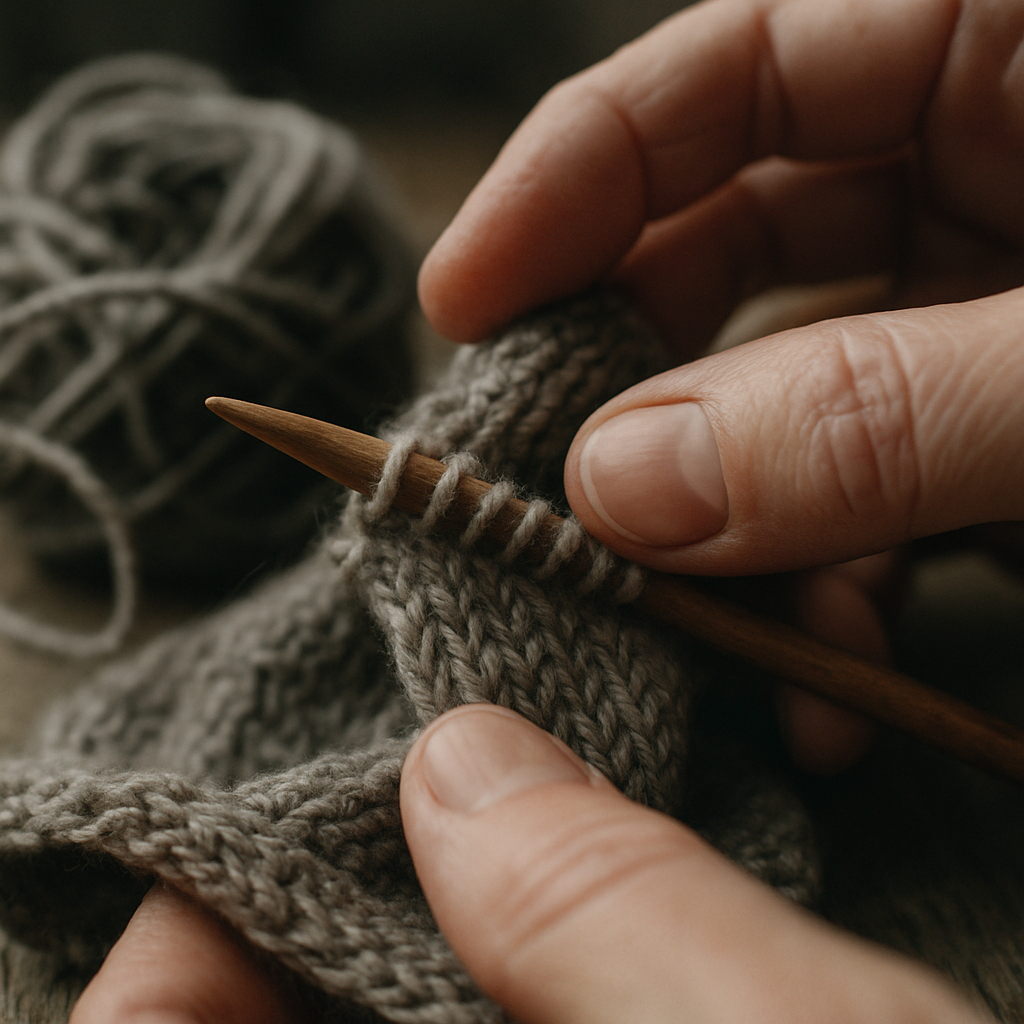
Every maker has one. The drawer, the box, the corner of the studio where projects go to hibernate: the sweater missing one sleeve, the painting that is eighty percent done, the novel draft frozen at chapter nine, the half-sanded chair. Crafters even have a name for them — UFOs, unfinished objects — and the average hobbyist owns far more of them than they would admit at a dinner party.
Unfinished projects are not a moral failing. But they do carry a cost: they take up space, they generate low-grade guilt, and they quietly teach you that your own creative commitments are optional. The good news is that finishing is a skill, and like any skill, it can be practised. Here is a practical system for clearing the half-done shelf.
Why Projects Actually Stall
Before rescuing anything, it helps to understand the failure modes, because each one needs a different fix.
The hard part ambush. The fun stage ended and a tedious or frightening stage began — the sleeves after the fun colourwork, the edit after the draft, the varnishing after the build. The project stalled exactly where the skill gap or boredom started.
The vision drift. You have changed since you started. The colours you chose eight months ago no longer excite you, and finishing feels like completing someone else's homework.
The perfection freeze. The project is going well, and that is precisely the problem. Finishing it means risking that the final result falls short of the imagined one, so the safest move is to never finish.
The novelty hijack. Nothing is wrong at all — a shinier idea simply walked past, and you followed it. Repeat offenders will recognise this one.
Diagnose each stalled project honestly, and the path forward usually becomes obvious.
The Amnesty: Not Everything Deserves Finishing
Here is the liberating step most advice skips: you are allowed to officially kill projects. A project that no longer matches your taste, your skills or your life is not a debt — it is research you already paid for.
Run an amnesty session. Lay out every unfinished project and sort them into three piles:
1. Revive — you still genuinely want the finished object.
2. Harvest — the project is dead, but the materials live on. Frog the yarn, gesso over the canvas, salvage the hardware.
3. Release — donate it, gift the materials, or bin it without ceremony.
Be ruthless. A shelf of five projects you actually intend to finish is motivating; a shelf of nineteen is wallpaper made of guilt. Many makers find that half their UFOs go straight into harvest or release, and the relief is immediate.
Restarting the Survivors
For the projects that earn a revival, momentum matters more than ambition.
Do the archaeology first. Spend one session just understanding where you left off — reread the pattern, find your place in the draft, figure out what that pencil mark meant. Stalled projects often stay stalled purely because re-entry feels foggy.
Name the next physical action. Not "finish the quilt" but "cut the binding strips." Vague projects repel hands; concrete ones invite them.
Shrink the sessions. Commit to fifteen minutes, three evenings a week, on one revived project only. Fifteen minutes is small enough to start on a tired night, and starting is the entire battle. Most sessions will run longer once your hands are moving.
Lower the finish line. The perfection freeze responds to one medicine: redefining "done" as complete, not ideal. A finished, flawed object teaches you more than a perfect, imaginary one — and unlike the imaginary one, it exists.
Work one-in, one-out. While a revival is underway, no new projects begin. This rule will hurt. That is how you know it is working.
Building a Finisher's Habits Going Forward
Once the shelf is clear, a few habits keep it that way. Start projects with a mid-point plan: identify the boring stage in advance and decide when you will push through it. Keep a visible "currently making" list capped at two or three items. Photograph finished work and keep the gallery somewhere you see it — a growing record of completions rewires what you expect from yourself far better than resolutions do.
And notice the ideas that arrive mid-project. Write them in a someday-list rather than acting on them. Most shiny ideas look far less shiny after two weeks in a notebook, which is exactly how you learn which ones were real.
The Finish Is a Skill
Talent starts projects; character finishes them — but character here is nothing grander than systems, honesty about dead projects, and fifteen-minute sessions stacked up over weeks. Clear the shelf once and you will discover the real prize is not the finished sweater or the varnished chair. It is becoming the kind of maker whose projects, once begun, reliably get to exist.