 Studio Off Hours
Creative Collaboration: How to Find Your Perfect Partner

In the realm of creative practices and maker culture, collaboration can be the catalyst that propels an idea into reality. Whether it’s a small studio project or a large-scale digital production, finding the right partner can unlock new levels of creativity and innovation. The perfect partnership often brings together complementary skills and perspectives, sparking unique solutions and groundbreaking work. However, identifying the right collaborator is not always an easy task. It requires a mix of self-awareness, clear communication, and a deep understanding of your creative goals. This article delves into the key strategies and considerations for finding your ideal creative partner in today's vibrant maker culture.
Aligning Values and Vision
A successful creative collaboration often begins with aligning values and vision. Before embarking on the search for a partner, it’s crucial to introspect on your own creative principles and long-term objectives. Are you driven by innovation, sustainability, or perhaps social impact? Understanding these core values will help you identify a partner who shares your vision and is motivated by similar goals.
Consider the partnership between IDEO and Steelcase. These two companies came together with a shared vision of creating user-centered design solutions. Their collaboration resulted in revolutionary office furniture that integrates technology and promotes productivity. The success of this partnership lay in their mutual commitment to design thinking and innovation, aligning not just on product goals but on the deeper values of how design can serve human needs.
Communication plays a pivotal role when it comes to establishing a shared vision. It's important to engage in open and honest dialogue from the outset to ensure that both parties are on the same page. This dialogue should not only cover the potential outcomes of the project but also address how each partner envisions the process unfolding. This foundational conversation can prevent misunderstandings and ensure that each collaborator is working towards a common goal.
Identifying Complementary Skills
Complementary skills are a hallmark of a strong creative partnership. When each partner brings a unique set of skills to the table, the collaboration can become a synergetic powerhouse. This complementarity allows each person to focus on their strengths while relying on their partner’s expertise in other areas. The collaboration between Pixar and Disney serves as a prominent example. Pixar’s creative excellence in storytelling and animation blends perfectly with Disney’s vast experience in marketing and distribution.
To identify complementary skills, start by analyzing your own strengths and weaknesses. Understanding where you excel and where you might need support can guide you in finding a partner who fills those gaps. Additionally, be open to working with individuals who have different backgrounds and experiences. This diversity in skill set can often lead to innovative solutions and fresh perspectives that you might not have considered on your own.
Equally important is the willingness to share and learn. A partner who is eager to impart their knowledge and equally open to learning from you will cultivate an environment of mutual growth. Continuous learning and adaptation are vital in the ever-evolving sphere of creative practices, ensuring that the collaboration remains dynamic and progressive.
Establishing Clear Roles and Responsibilities
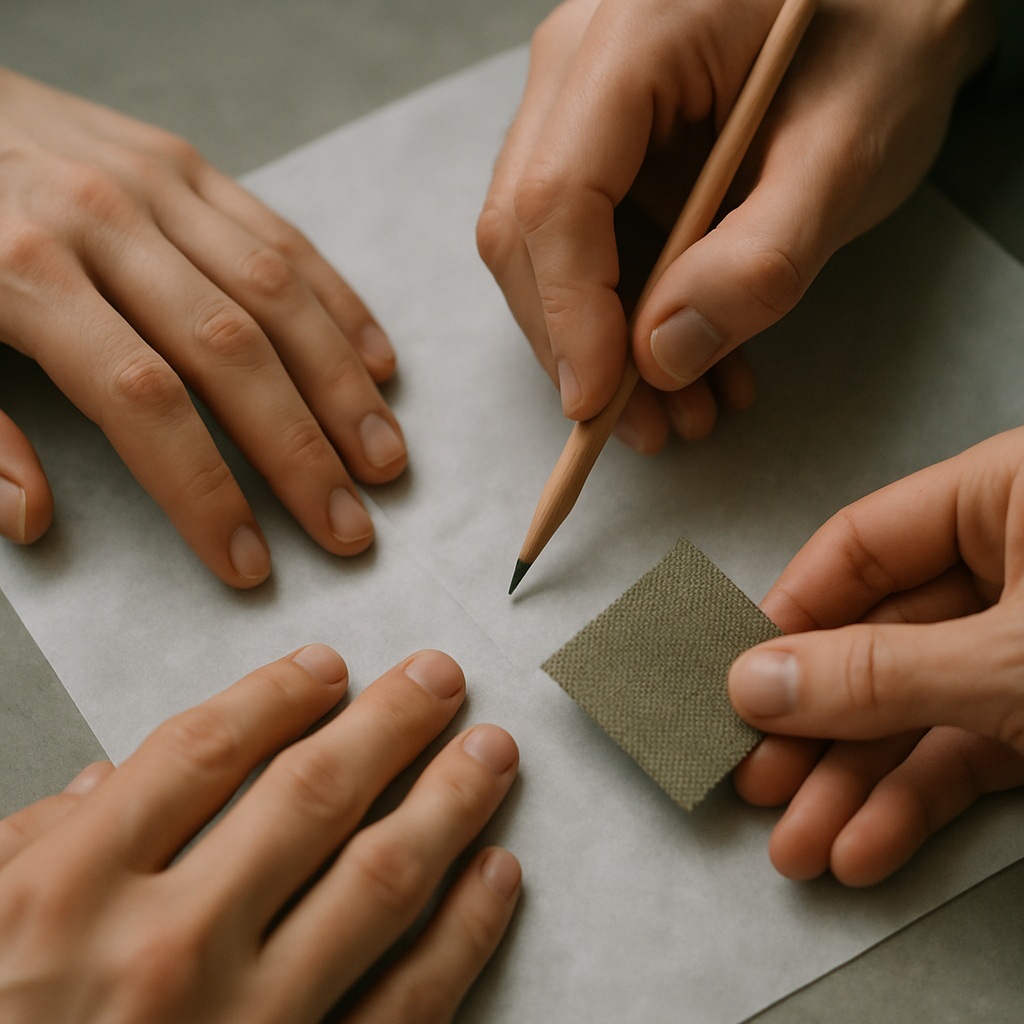
Defining clear roles and responsibilities from the onset is crucial for a successful collaboration. This clarity prevents potential conflicts and ensures that each partner knows what is expected of them. Projects can quickly become chaotic without designated roles, leading to frustration and inefficiencies. Successful collaborations, such as that between Apple and its design guru Jony Ive, thrive on well-defined roles where each party's responsibilities are clear-cut.
Start by outlining the scope of the project and identifying the key tasks that need to be accomplished. Discuss with your partner who will take the lead on specific elements of the project and what deliverables each is responsible for. Establishing these parameters early on helps in maintaining focus and accountability throughout the creative process.
Furthermore, establishing a mechanism for conflict resolution is also vital. No partnership is immune to disagreements, but having a pre-agreed approach on how to handle disputes ensures that conflicts do not derail the project. This could be through regular meetings to address any concerns or through the involvement of a neutral third party who can mediate any issues that arise.
Leveraging Technology for Collaboration
Technology plays an indispensable role in modern creative collaborations, enabling partners to work together seamlessly regardless of geographical distances. Platforms like Slack, Asana, and Trello are widely used to manage projects and communicate in real-time. These tools help keep everyone on the same page, facilitating task allocation, deadline tracking, and instant feedback.
Moreover, digital tools like Adobe Creative Cloud and Figma allow for collaborative design work where multiple users can contribute and edit projects simultaneously. This real-time collaboration can enhance creativity, allowing for rapid iteration and development. One notable example is the collaboration between musicians using platforms like Soundtrap, a cloud-based digital audio workstation that enables artists to co-create music remotely.
However, while leveraging technology, it's important to ensure that all collaborators are comfortable and proficient with the tools being used. Investing time in training or selecting user-friendly platforms can mitigate any technological barriers, ensuring that the focus remains on the creative work itself. Adapting to technological advancements is key to maintaining a competitive edge in the fast-paced world of creative practices.
Cultivating a Culture of Trust and Respect
Trust and respect are the bedrock of any successful collaboration. Without these elements, even the most promising partnerships can falter. Building trust takes time and effort but is essential for fostering an environment where creativity can thrive. It involves not just reliability and consistency but also a genuine respect for each other’s opinions, ideas, and contributions.
Consider the longstanding collaboration between the architectural firms Herzog & de Meuron and Ai Weiwei. Their mutual respect and trust have led to iconic projects like the Serpentine Gallery Pavilion and the Beijing National Stadium. Both parties bring their individual expertise and vision, yet their respect for each other’s work allows them to create harmonious and innovative designs.
Regular communication and transparency are crucial in nurturing trust. This involves openly sharing updates, discussing challenges, and celebrating successes together. Creating a safe space where partners feel valued and heard encourages honest feedback and fosters a collaborative spirit. In turn, this trust and respect help in navigating the ups and downs of the creative process, ultimately leading to more successful and fulfilling collaborations.